
The large intestine is a home to some 700 species of anal bacteria, and the combined weight of all microbes in the human distal gut is around 200 grams. On top of that, the entire distal gut contains some 100 trillion bacteria, so it is no wonder that some scientists call these bacteria “our forgotten organ”.
The majority of these bacteria are “friendly” to the human body and are in fact useful. They help the human body in digestion, produce large amounts of vitamins, participate in the creation of cross-reactive antibodies, and help the immune system in general.
The good bacteria
The largest family of friendly anal bacteria are called Bifidobacteria. Their mere presence in your distal gut implies that you are a healthy human being. Their importance has first been observed when it was discovered that they are passed on from a mother to an infant. These bacteria gained so much scientific attention that they have become popular in biotechnology and the dairy products industry – almost every dairy producer has at least one line of yogurts which contains and highlights the benefits of these good anal bacteria.
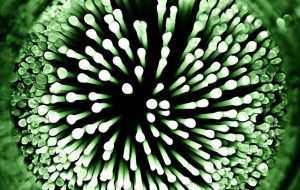
These bacteria make the main protective microflora of the human large intestine and are a very important part of the immune system and its defense against harmful organisms. They are so important that they are abundant in mother’s milk.
The bad bacteria
When our gastrointestinal microflora is unbalanced, the bad pathogenic bacteria start overpowering the good bacteria, and we experience that as diarrhea and abdominal pain. It can also have negative effects on the immune system. If the conditions get more severe, we can also acquire inflammatory complications due to bacterial discharge through the lining of the intestine.
If pathogenic bacteria prevail, this can cause various autoimmune diseases, allergies and in some cases even cancer. The pathogenic anal bacteria flourish when we are exposed to stress, when we practice unbalanced dietary habits when we have increased body temperature and during treatment with certain antibiotics. It is impossible to avoid the bad bacteria completely, but our goal should be not to let them prevail. They are the most active in the 7.1 – 7.9 pH range.
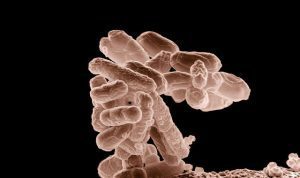
Coexistence
As the human body evolved through hundreds of thousands of years, it gradually adopted both the good and the bad bacteria which coexist in our body. We should aim to keep the good bacteria strong, as the bad bacteria can only do damage if the good anal bacteria are prevented from doing their natural role in our gastrointestinal tract.
One way of getting rid of the bad anal bacteria is to make sure that you are always clean down there. You can even take advantage of anal bleaching so you can have that “clean and healthy feeling”.
–